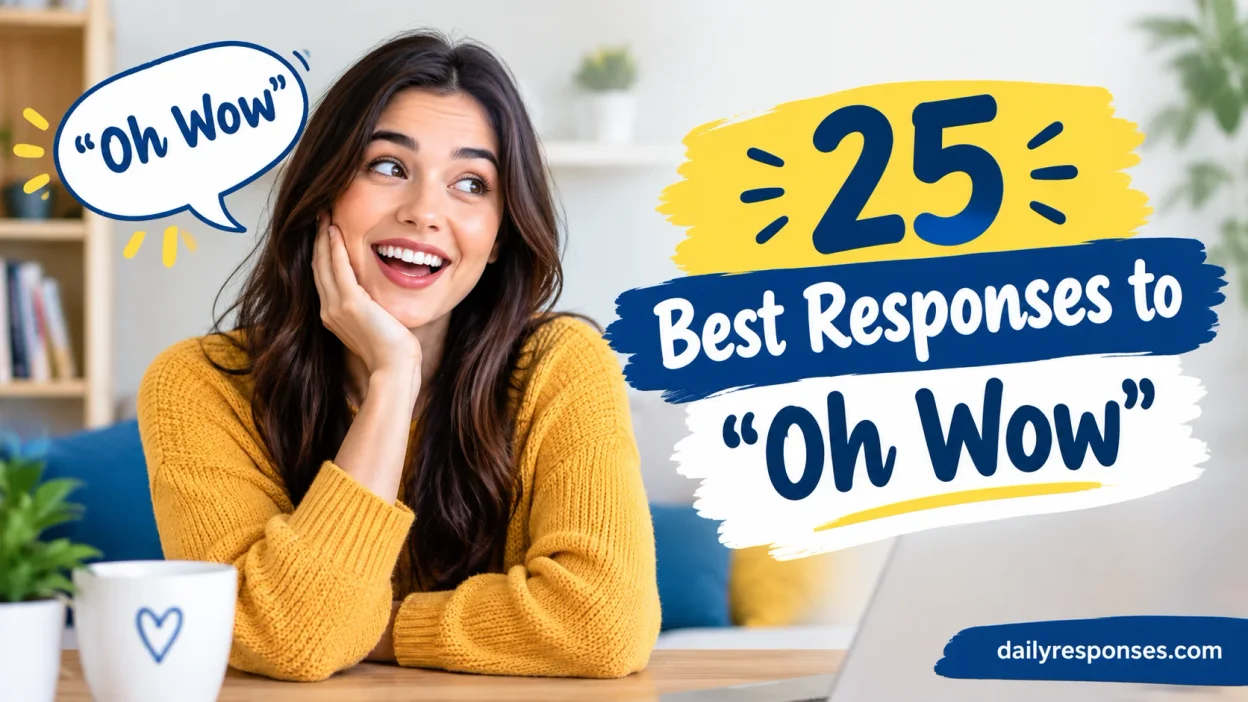
The Best Responses to “Oh Wow” depend on the situation, tone, and feelings behind the words, whether someone sounds surprised, impressed, excited, unsure, or sarcastic.
The phrase “Oh Wow” can express different feelings, including surprise, disbelief, admiration, excitement, or uncertainty. In the English language, its meaning depends on the situation, tone, context, and sometimes a person’s facial expression. A friend might say it after hearing exciting news, while your crush might text it after seeing your selfie. A coworker could use the same phrase during a meeting or another workplace conversation.
These confusing responses can leave you wondering whether the reaction is good, bad, or simply bored. In everyday conversation, it helps to consider the whole message instead of guessing from two words. This approach reduces uncertainty, prevents mixed signals, and helps you understand another person’s emotional response without rushing to an interpretation.
When people struggle to think of what to say next, a simple phrase can create an awkward conversation or help the discussion continue smoothly. Choosing the right words gives you an opportunity to connect, build social confidence, and make another person feel comfortable. Whether you’re texting a friend, talking to your crush, chatting with your crush online, or responding to a coworker, a short reply can show your personality and express confidence. Try a friendly response, a natural reply, or a creative answer that fits the conversational context.
Quick Answer:
The best responses to “Oh wow” include “Right? Pretty amazing, isn’t it?”, “I know, right?”, “Wait until you hear the rest,” and “What can I say?” Choose a funny, friendly, flirty, or casual response depending on the situation and the other person’s reaction.
Synonyms for : Best Responses to “Oh Wow”
- I Know, Right?
- Wait Until You Hear the Rest
- Pretty Amazing, Isn’t It?
- What Can I Say?
- That’s What I Thought Too!
- You Haven’t Seen Anything Yet!
- Haha, I Had the Same Reaction!
- Surprised You, Didn’t I?
- Glad You Think So!
- And That’s Not Even the Best Part!
- Right? Life Can Be Unexpected!
- Believe It or Not, It’s True!
- You’re Telling Me!
- I Thought You’d Like That!
- Well, That’s a Plot Twist!
- You Should See My Face Right Now!
- Okay, Now I’m Blushing!
- I Wasn’t Expecting That Reaction!
- Tell Me About It!
- That’s Just the Beginning!
- I Can Explain!
- That’s What Makes It Special!
- Haha, You’re Too Much!
- What Do You Think About It?
- I Know, It’s Pretty Wild!
1. “I Know, Right?”
Scenario: Use this response when someone reacts with surprise or excitement about something you both find impressive.
Examples:
- I know, right? I honestly couldn’t believe it myself when I first heard the news.
- Exactly! It’s even more amazing when you think about all the details.
- Right? I had the same reaction when everything finally started making sense.
Explanation: This reply creates a sense of agreement and shared excitement. It works especially well with friends, family, and people who enjoy discussing surprising news. Your response feels natural, encourages further conversation, and shows that you understand their reaction without making the moment awkward.
2. “Wait Until You Hear the Rest”
Scenario: Say this when you have more surprising details to share and want to keep the other person interested.
Examples:
- Wait until you hear the rest of the story because things get even crazier.
- Oh, that’s only the beginning; you haven’t heard the most surprising part yet.
- Trust me, the next part is going to make you even more surprised.
Explanation: This response builds curiosity and gives the conversation somewhere to go next. It is particularly useful when telling stories, sharing unexpected news, or explaining an unusual experience. Keep your tone playful so the other person feels excited rather than misled.
3. “Pretty Amazing, Isn’t It?”
Scenario: Use this when someone admires an achievement, beautiful place, exciting experience, or impressive result.
Examples:
- Pretty amazing, isn’t it? I still can’t believe how everything turned out.
- I thought you’d appreciate it because it’s genuinely something special.
- That’s exactly what I thought when I saw it for the first time.
Explanation: This reply invites the other person to share your appreciation. It sounds confident without being boastful and works in both casual and professional conversations. You can use it when discussing accomplishments, travel experiences, interesting discoveries, or anything that deserves genuine admiration.
4. “What Can I Say?”
Scenario: Choose this response when someone is impressed by something you accomplished or a compliment you received.
Examples:
- What can I say? Sometimes things just work out better than expected.
- I guess hard work really does pay off when you stay consistent.
- Honestly, I just gave it my best and hoped everything would work out.
Explanation: This answer communicates confidence while leaving room for humor. It is suitable when someone admires your skills, achievements, or good fortune. Deliver it with a smile to avoid sounding arrogant, especially when talking with colleagues or people you do not know very well.
5. “That’s What I Thought Too!”
Scenario: Use this reply when the other person’s surprise matches your own reaction to something unexpected.
Examples:
- That’s what I thought too when I finally discovered what had happened.
- Exactly! I needed a moment to understand everything myself.
- Right? It was completely unexpected, even though I had a feeling something was coming.
Explanation: This response makes the conversation feel relatable by showing that you experienced similar surprise. It works well when discussing unexpected events, plot twists, personal stories, or surprising discoveries. Sharing your reaction can help the other person feel understood and encourage them to explain theirs.
6. “You Haven’t Seen Anything Yet!”
Scenario: Say this playfully when something exciting is happening and you have more impressive experiences or surprises planned.
Examples:
- You haven’t seen anything yet; the best part is still coming.
- Just wait until tomorrow because things are about to get interesting.
- If you think that’s impressive, wait until you see what happens next.
Explanation: This response adds excitement and anticipation to the conversation. It works particularly well among friends, during celebrations, or when discussing upcoming plans. Make sure you have something meaningful to follow up with, so your playful promise feels fun rather than exaggerated.
7. “Haha, I Had the Same Reaction!”
Scenario: Use this friendly response when someone reacts dramatically to a funny, unexpected, or unbelievable situation.
Examples:
- Haha, I had the same reaction when someone first told me about it.
- Honestly, I couldn’t believe it either, so your reaction makes perfect sense.
- We both need a minute to process what just happened here.
Explanation: This reply adds warmth and humor while acknowledging the other person’s surprise. It is useful for texting friends, sharing funny stories, or discussing unexpected developments. Because it validates their reaction, the conversation can continue comfortably without requiring an elaborate or overly serious answer.
8. “Surprised You, Didn’t I?”
Scenario: Use this playful reply when you reveal something unexpected and want to tease the other person gently.
Examples:
- Surprised you, didn’t I? I knew you wouldn’t see that coming.
- I was waiting for that exact reaction, and you didn’t disappoint me.
- Admit it, you never expected me to come up with something like this.
Explanation: This response adds personality and playful confidence to a conversation. It works best with friends, partners, or people who appreciate light teasing. Avoid using it when someone is genuinely upset or shocked by something serious, because the playful tone may feel insensitive.
9. “Glad You Think So!”
Scenario: Choose this response when someone expresses admiration for your work, achievement, appearance, or personal accomplishment.
Examples:
- Glad you think so! I spent quite a bit of time getting everything right.
- Thank you! It means a lot that you noticed the effort.
- I’m happy you like it because I really wanted it to turn out well.
Explanation: This reply acknowledges the other person’s positive reaction without dismissing their compliment. It is especially suitable for professional settings, creative projects, and personal achievements. Showing appreciation helps maintain a friendly atmosphere and demonstrates confidence without making the conversation entirely about yourself.
10. “And That’s Not Even the Best Part!”
Scenario: Say this when you are sharing exciting information and still have an even better detail to reveal.
Examples:
- And that’s not even the best part; there’s another surprise coming soon.
- Believe me, the ending makes the entire story even more unbelievable.
- I haven’t told you the most exciting detail about everything yet.
Explanation: This response encourages curiosity and gives the other person a reason to stay engaged. It is useful when telling stories, sharing good news, or describing a memorable experience. Use it when additional details genuinely add something interesting to the conversation.
11. “Right? Life Can Be Unexpected!”
Scenario: Use this response when someone reacts with surprise to an unexpected opportunity, coincidence, or sudden change.
Examples:
- Right? Sometimes life surprises us when we least expect anything to happen.
- I never imagined things would turn out this way, but I’m grateful.
- That’s life for you; sometimes the most unexpected moments become memorable.
Explanation: This answer gives the conversation a thoughtful but relaxed tone. It works when discussing personal experiences, surprising opportunities, or changes in circumstances. The message acknowledges uncertainty without becoming overly serious, helping both people reflect on the moment and continue sharing their perspectives.
12. “Believe It or Not, It’s True!”
Scenario: Choose this reply when someone seems doubtful or astonished by something you have just told them.
Examples:
- Believe it or not, it’s completely true, and I still find it unbelievable.
- I know it sounds impossible, but that’s exactly what happened yesterday.
- I wish I were making this up, but every detail is accurate.
Explanation: This response reinforces the surprising nature of your story while keeping the discussion lively. It works best when sharing unusual facts, unexpected experiences, or unbelievable news. If the topic is serious, calmly explain the details instead of relying entirely on dramatic wording.
13. “You’re Telling Me!”
Scenario: Use this expression when you completely agree that something is surprising, impressive, frustrating, or difficult to believe.
Examples:
- You’re telling me! I still haven’t figured out how everything happened so quickly.
- Honestly, the whole situation surprised me more than I expected.
- I know exactly what you mean because I experienced something similar recently.
Explanation: This informal expression communicates strong agreement and shared understanding. It is particularly useful with friends, family members, and familiar coworkers. Depending on your tone, it can express excitement, disbelief, or mild frustration, so consider the context before using it.
14. “I Thought You’d Like That!”
Scenario: Say this when you share something specifically for the other person’s enjoyment and their reaction shows genuine interest.
Examples:
- I thought you’d like that because it seemed perfectly suited to your interests.
- Your reaction makes me happy because I wanted to share something special.
- I remembered you mentioning it before, so I figured you’d appreciate the surprise.
Explanation: This response shows that you pay attention to the other person’s interests and preferences. It works well when recommending something, sharing a thoughtful gift, or introducing an exciting idea. Mentioning your intention can make the interaction feel more personal and strengthen your connection.
15. “Well, That’s a Plot Twist!”
Scenario: Use this funny response when something happens that completely changes the direction of a story or conversation.
Examples:
- Well, that’s a plot twist nobody could have predicted, even with several clues.
- I definitely didn’t see that coming, and now I need the full story.
- Someone needs to explain how we went from normal to completely unexpected.
Explanation: This response adds humor to surprising developments and makes storytelling more entertaining. It works especially well with friends discussing relationships, unexpected news, movies, or unusual situations. Use it when the surprise is lighthearted, rather than when someone needs serious support or reassurance.
Read More : 25 Best Responses to “Don’t Play With Me”
16. “You Should See My Face Right Now!”
Scenario: Choose this response when texting someone about a surprising event that has left you speechless or amused.
Examples:
- You should see my face right now because I’m still trying to process everything.
- I’m literally staring at my screen, wondering whether I read that correctly.
- My expression says everything because I genuinely wasn’t expecting this kind of news.
Explanation: This reply creates a vivid picture of your reaction, making a text conversation feel more expressive. It works well among friends, partners, and people who enjoy casual humor. You can follow it with an emoji or additional details to keep the conversation moving naturally.
17. “Okay, Now I’m Blushing!”
Scenario: Use this playful response when someone says “Oh wow” after complimenting your appearance, personality, or achievements.
Examples:
- Okay, now I’m blushing, and you’re making it difficult to respond normally.
- Stop, you’re going to make me smile at my phone all evening.
- That’s incredibly sweet of you, and now I don’t know what to say.
Explanation: This answer is useful when the conversation feels affectionate, flattering, or slightly flirty. It acknowledges the other person’s attention without making things uncomfortable. If you are texting someone you like, a warm response can show interest while allowing the conversation to develop naturally.
18. “I Wasn’t Expecting That Reaction!”
Scenario: Use this response when someone’s surprise is stronger, funnier, or more enthusiastic than you originally anticipated.
Examples:
- I wasn’t expecting that reaction, but now I’m curious about what you’re thinking.
- Your response genuinely surprised me because I thought you’d take it differently.
- Okay, that reaction was unexpected, and now I need to hear your explanation.
Explanation: This reply acknowledges the other person’s response while inviting them to explain themselves. It works in friendly conversations, playful exchanges, and situations involving unexpected news. Keep your tone open and curious so the other person feels comfortable sharing their thoughts without feeling judged.
19. “Tell Me About It!”
Scenario: Choose this expression when someone’s “Oh wow” reflects a shared experience, surprising situation, or challenge you understand.
Examples:
- Tell me about it! I’ve been trying to make sense of everything myself.
- Honestly, the entire experience was more complicated than I originally expected.
- You have no idea how much happened before everything finally worked out.
Explanation: This informal response communicates empathy and encourages the other person to continue the discussion. It works when you share similar experiences or understand why something feels surprising. Be ready to listen, especially if the conversation shifts toward frustration, disappointment, or a personal challenge.
20. “That’s Just the Beginning!”
Scenario: Say this when an achievement, exciting project, or unexpected opportunity marks the start of something bigger.
Examples:
- That’s just the beginning; I’m hoping even better opportunities come our way soon.
- We have plenty more exciting things planned, so stay tuned for updates.
- I’m excited too because this feels like the start of something meaningful.
Explanation: This response communicates optimism and enthusiasm about what lies ahead. It is suitable for celebrating milestones, discussing goals, or sharing progress with friends and colleagues. Keep your message grounded in realistic expectations, and let your excitement encourage others rather than create unnecessary pressure.
21. “I Can Explain!”
Scenario: Use this humorous response when someone says “Oh wow” after discovering something surprising, confusing, or potentially embarrassing.
Examples:
- I can explain, but I promise the story sounds stranger than it actually was.
- Before you jump to conclusions, let me tell you what really happened.
- Okay, that looks suspicious, but there’s a perfectly reasonable explanation behind everything.
Explanation: This reply adds playful drama when the situation is harmless and the other person is curious. It works well with friends or partners who enjoy joking around. If the discovery involves a genuine misunderstanding, follow the humor with an honest explanation to prevent confusion.
22. “That’s What Makes It Special!”
Scenario: Choose this response when someone admires something unusual, meaningful, or different from what they normally expect.
Examples:
- That’s what makes it special; it isn’t something you come across every day.
- Exactly, and I think the little details make the whole experience memorable.
- I love that about it because there’s genuinely nothing else quite like it.
Explanation: This reply shifts attention toward the qualities that make something memorable or meaningful. It works when discussing creative work, personal experiences, gifts, or unusual discoveries. By explaining what you appreciate, you invite a deeper conversation instead of letting the exchange end with surprise alone.
23. “Haha, You’re Too Much!”
Scenario: Use this playful expression when someone reacts dramatically, says something funny, or surprises you with an amusing comment.
Examples:
- Haha, you’re too much, and I honestly wasn’t prepared for that response.
- I can’t take you anywhere without something unexpected happening, can I?
- You’re making me laugh so hard that I’ve completely forgotten what I was saying.
Explanation: This response keeps the mood light and communicates affection through humor. It is especially suitable for close friends, romantic partners, and familiar people who enjoy teasing each other. Make sure your tone matches the relationship so your playful words sound warm rather than dismissive.
24. “What Do You Think About It?”
Scenario: Use this response when you want to turn someone’s surprised reaction into a meaningful conversation about their opinion.
Examples:
- What do you think about it now that you’ve heard the whole story?
- I’m curious about your opinion because I know you might see things differently.
- Tell me honestly what stood out to you the most about everything.
Explanation: This reply moves the focus toward the other person’s perspective and encourages a more engaging exchange. It works particularly well when discussing important decisions, interesting discoveries, or shared experiences. Asking a genuine question shows that you value their thoughts and want the conversation to continue.
25. “I Know, It’s Pretty Wild!”
Scenario: Choose this casual response when someone is surprised by something unusual, exciting, or difficult to believe.
Examples:
- I know, it’s pretty wild when you stop and think about everything.
- Right? I still can’t believe all of that happened in one day.
- It’s definitely a lot to take in, but I’m glad you understand.
Explanation: This relaxed expression acknowledges the surprise without making the conversation overly serious. It works well in everyday texting, conversations with friends, and discussions about unexpected experiences. Its casual wording makes it easy to use when you want to maintain a friendly atmosphere and keep talking.
FAQs:
1. What does “Oh Wow” mean in a conversation?
“Oh Wow” usually expresses surprise, excitement, admiration, or disbelief. However, its meaning depends on the person’s tone, the situation, and what you said before. It can also sound sarcastic or show that someone is unsure what to say next.
2. What is the best response to “Oh Wow”?
A good response depends on the context. You can say “I know, right?”, “What surprised you?”, or “Pretty amazing, huh?” These replies keep the conversation natural and encourage the other person to share their thoughts.
3. How do you respond to “Oh Wow” from your crush?
If your crush says “Oh Wow,” try a playful or flirty response such as “Are you impressed?” or “Wait until you hear the rest!” These replies add humor and confidence without making the conversation feel awkward.
4. How do you respond when someone says “Oh Wow” sarcastically?
If someone sounds sarcastic, stay calm and avoid assuming the worst. You could say, “I’m guessing that’s not a good wow?” or “Care to explain what you mean?” These responses help you understand their intention without creating unnecessary tension.
5. How can you make your reply to “Oh Wow” more interesting?
Choose a reply that matches the conversation and your personality. Funny comebacks work well with friends, flirty responses may suit romantic conversations, and polite questions are useful at work. Pay attention to the person’s tone so your answer feels natural.
Conclusion:
Knowing the best responses to “Oh Wow” can make everyday conversations easier, more enjoyable, and more meaningful. Whether you’re talking to a friend, texting your crush, or responding to a coworker, the right words can turn a confusing reaction into an opportunity to connect.
Choose a funny comeback, a playful response, a flirty line, or a simple question based on the situation. Most importantly, pay attention to the other person’s tone and keep your reply natural. You don’t need a perfect answer every time; a little confidence, humor, and genuine interest can help you keep the conversation flowing.

Muhammad Haroon is the author of DailyResponses.com, where he writes practical guides, clever responses, and communication tips. His mission is to help readers express themselves with confidence through natural, engaging, and easy-to-understand content.

[…] Read More : 25 Best Responses to “Oh Wow” […]